01274 532 100


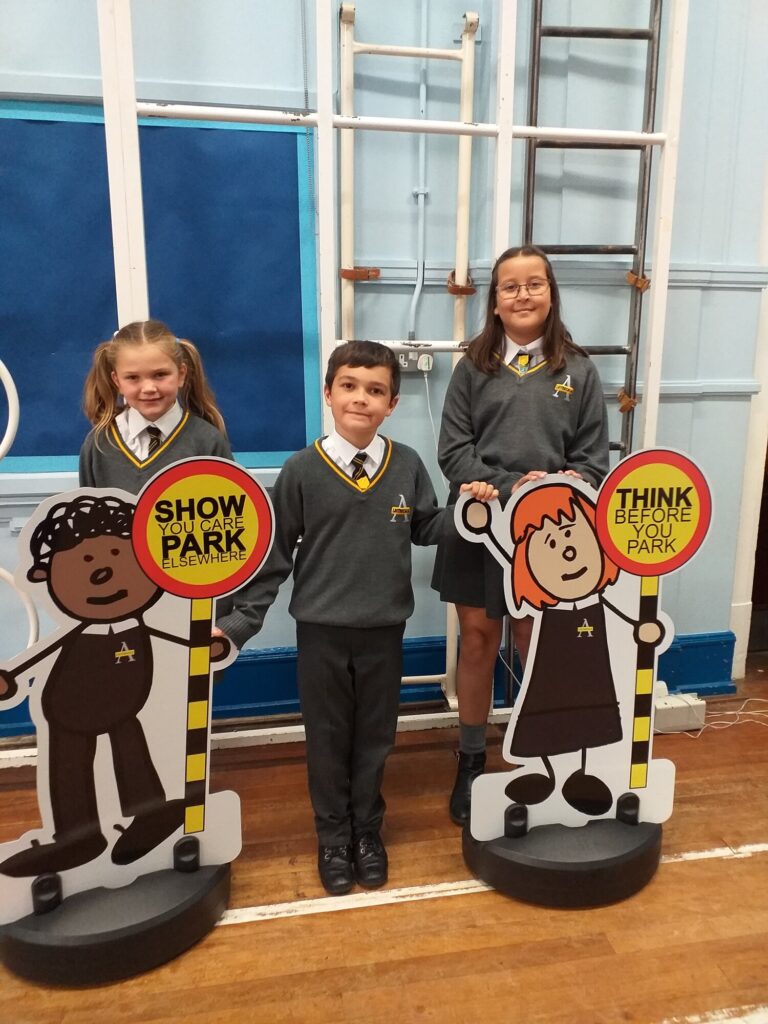
At 8.35am, a school entrance can become the busiest and least predictable part of the site. Cars stop where they should not, children step out between vehicles, cyclists share narrow space with pedestrians, and staff are asked to manage it all while welcoming families. Knowing how to improve school gate safety means treating the gate as a carefully managed arrival zone, not simply an entrance.
The most effective solutions combine clear expectations, visible signage, sensible traffic routes and consistent staff procedures. A sign on its own cannot solve unsafe parking, but it can reinforce a system that parents, visitors and pupils understand from the moment they approach the school.
Start with the risks at your own school gate
Every school has a different challenge. A small primary school on a residential road may be dealing with obstructive parking, engines left running and children crossing between cars. A larger secondary school may need to separate buses, parent vehicles, cyclists and hundreds of pedestrians arriving within a short window. Nurseries and children’s centres may have particular concerns around pushchairs, very young children and authorised collection.
Observe the gate during the morning and afternoon peak for several days. Do not rely only on one difficult morning or on anecdotal reports. Look at where vehicles queue, where people cross, which instructions are ignored and whether staff can see approaching traffic clearly. Speak to the member of staff on gate duty, as they will often identify recurring near misses that are not formally reported.
It helps to map the journey in both directions: from the road to the classroom and from the classroom back to the collection point. Pay close attention to blind corners, narrow gates, loose bollards, concealed entrances and areas where pupils naturally take a shortcut. The safest route is not always the one marked on an old site plan.
How to improve school gate safety with clear signage
Parents should not have to guess where they may stop, which entrance they should use or whether a gate is for pedestrians only. Clear, well-positioned signs reduce confusion before it becomes a safeguarding or traffic issue.
Parking control signs should be placed where a driver can read them before committing to a manoeuvre. Messages such as no stopping, keep clear, staff parking only and disabled access must be concise and large enough to be understood from a vehicle. Where restrictions apply on the public highway, schools should take care not to present an advisory school message as though it carries formal enforcement powers. Local authority markings and restrictions have their own legal status; school signs are most effective when they support, rather than contradict, them.
At pedestrian gates, use direct messages to separate people from vehicles. A pedestrian entrance sign, a clear visitor direction sign and a reminder to close the gate can all support day-to-day safeguarding. If there are different arrival points for early years, sixth form, visitors or deliveries, each route needs its own obvious identification.
Portable pavement signs can be particularly useful at peak times. They allow the school to place a visible reminder exactly where behaviour needs to change, then bring it in after the gate has closed. They work well for messages around no parking, no idling, keep driveways clear and safe crossing points. Their limitation is that they must be brought out consistently and positioned so they do not create a pavement obstruction.
Signage should be easy to read, weather-resistant and appropriate for the setting. Child-friendly graphics can make messages more approachable at a primary school, but safety instructions must remain clear enough for adults making quick decisions from a car.
Separate vehicles and pedestrians wherever possible
The best school-gate safety measures reduce the need for vehicles and children to occupy the same space. If your site permits it, create separate routes for cars, pedestrians, cycles and deliveries. Even modest changes, such as moving a pedestrian gate away from the staff car park entrance, can reduce conflict.
Consider whether vehicles can use a one-way route at busy times. This can reduce reversing, improve visibility and prevent drivers from attempting to turn around in a congested entrance. It does require enough space, clear directional signs and staff communication before it is introduced. A poorly understood one-way system can simply move queues onto the road, so review its effect after the first few weeks.
Where a physical separation is needed, suitable barriers, bollards and marked walkways can guide behaviour far more reliably than verbal reminders. Ensure that any control measures still allow access for emergency services, disabled visitors and deliveries. Gates and barriers should never create a bottleneck that traps a crowd of pupils near moving traffic.
For schools with limited land, the answer may be a managed drop-off point rather than additional on-site parking. A short, supervised stop-and-go area can work well, provided drivers understand that they must remain in their vehicle and move on promptly. It needs clear signs, a marked entry and exit route, and enough staff supervision to prevent it becoming informal parking.
Make parking expectations specific and consistent
General requests to park considerately are positive, but they rarely change behaviour where pressure is high. Be specific about what is unsafe: blocking the school gate, parking on zig-zag markings, stopping on corners, using disabled bays without entitlement, mounting the pavement, or leaving engines running near children.
A visible no-idling message supports both safety and air quality. Parents may not realise how quickly exhaust fumes build up around an entrance where pupils are waiting. A polite but firm reminder to switch off engines is more likely to be accepted when it is repeated across signage, newsletters and conversations at the gate.
Consistency matters. If staff ask parents not to use a particular entrance one week but allow it on another, the message loses authority. Agree a small number of non-negotiable expectations, communicate them at the start of term and display them at the point of decision. New families, agency staff and occasional visitors need the same information as established parents.
Where unsafe parking continues, record dates, times and the nature of the problem. Photographs may assist internal discussions, but take care with privacy and avoid sharing identifiable images publicly. Persistent problems on public roads may need to be raised with the local authority, parking enforcement team or police, depending on the risk and local arrangements.
Build safeguarding into the arrival and collection routine
Gate safety is also about knowing who is entering the site and whether pupils are leaving with the right adult. A welcoming entrance should still make visitor expectations unmistakable. Direct all visitors to report to reception, display site access instructions and make sure temporary contractors know where to sign in.
For younger pupils, collection arrangements should be supported by a clear routine. Staff need a practical way to handle unfamiliar adults, late collections and changes to authorised collection. Signs can reinforce that pupils must not leave through a vehicle gate or exit the site unaccompanied, but they are only one part of the process. Staff training and reliable communication with families remain essential.
If gates are locked during the school day, check that fire evacuation arrangements remain effective. The balance between site security and emergency egress must be planned, understood by staff and reviewed whenever gate hardware or access procedures change.
Give staff a workable role at the gate
A member of staff on gate duty is not there to direct traffic like a crossing patrol, unless that is specifically their role and they have appropriate arrangements in place. Their main value is visibility: greeting families, encouraging pupils to use the correct route, spotting emerging problems and escalating concerns.
Give gate-duty staff clear instructions. They should know which gates are open, where visitors should go, how to report an incident and when to contact a senior leader. High-visibility clothing can help them be seen in poor weather, particularly where they are near vehicle routes. Avoid placing staff in a position where they must step into live traffic to challenge drivers.
A simple handover also makes a difference. If one member of staff notices a recurring issue, such as a delivery vehicle arriving at collection time or a damaged sign, there should be a clear route for that information to reach the site manager or leadership team.
Review the gate after changes, not just after incidents
A new sign, barrier or drop-off rule should be reviewed in practice. Watch whether parents see the instruction in time, whether pedestrians follow the intended route and whether queues have appeared elsewhere. Ask staff and families what is working and what is causing confusion.
Seasonal conditions matter too. Dark winter afternoons may require improved visibility, while wet leaves, ice or standing water can make a previously safe route hazardous. Building work, school events and changes to neighbouring roads can all alter the risk around the entrance.
A safe school gate is created through small, repeated decisions: a parent choosing not to stop on a corner, a visitor using reception, a child following a marked route, and a driver switching off their engine. With a clear plan and school-specific signage, Signs 2 Schools can help make those safer choices easier to understand and follow.